

Caring for diabetic feet: your guide to healthier skin
If you're living with diabetes, taking care of your feet is more than just a matter of comfort, it's a key part of your overall wellness. Diabetes can affect the way your body heals, your circulation, and even how much feeling you have in your feet. That's why diabetic foot care needs to be a consistent, daily priority, not an afterthought.
Why diabetic foot care matters
In the UK, approximately 169 people have a diabetes-related amputation every single week. Someone living with diabetes is 20 times more likely to experience an amputation than someone without the condition and diabetic foot ulcers precede more than 80% of those amputations.
Sources: JMIR Research ProtocolsDiabetes UK
The good news is that the vast majority of these outcomes are preventable with the right care. That starts at home, with the skin on your feet.
How diabetes affects your feet

Diabetes can cause changes in both your circulatory and nervous systems that show up first in your feet. Peripheral autonomic neuropathy causes a loss of sweating, which leads to dry skin often complicated by fissures. Around 30% of people with diabetes over the age of 40 develop peripheral neuropathy, which can cause dry skin and cracks on the feet. Sources: PubMed CentralCertified Foot
Many people experience dry skin, cold feet, or numbness and tingling. This is due to reduced blood flow and diabetic neuropathy, which can make your feet more sensitive or, in some cases, less sensitive to pain and temperature. The lifetime risk of developing a diabetic foot ulcer is between 19% and 34%.
Source: PubMed Central
Because of this, even small foot issues like dry skin or pressure spots can turn into bigger problems if left untreated. 62.5% of specialists consider treating dry skin an important step to prevent diabetic foot complications, and simple daily diabetic foot care makes a real difference.
Common signs to watch for
Here are a few things people with diabetes might notice in their feet:
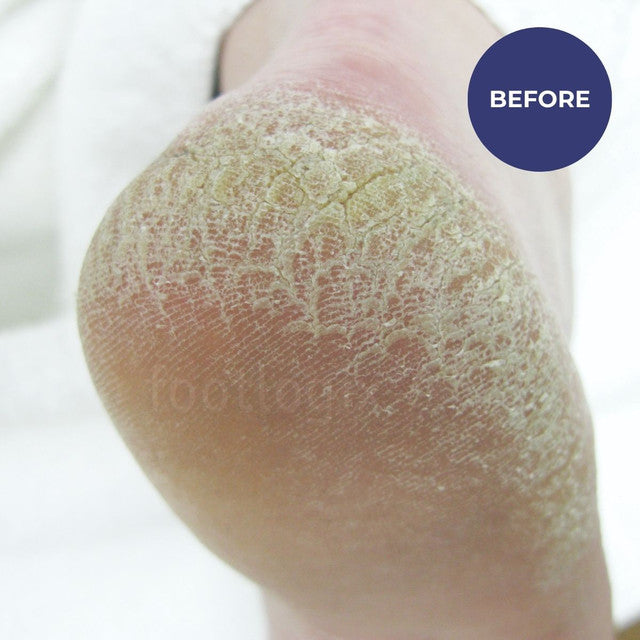
- Dry, flaky, or parchment-like skin
- Discoloration or changes in skin tone
- Build-up of dry skin around the toenails
- Extra thickened skin (calluses) on pressure points
- Minor irritations, redness, or small infections
If you see anything out of the ordinary, especially cuts, sores, or anything that doesn't heal, speak to a healthcare professional or podiatrist promptly. When it comes to diabetic foot care, early action is always better.
Building a diabetic foot care routine at home
Good diabetic foot care at home doesn't need to be complicated. A simple weekly routine of soak, soften, moisturise, can keep skin healthy and reduce the risk of problems developing.
If you're looking for products designed with diabetic skin in mind, Footlogix® has a range of products formulated to be safe and effective for people with diabetes and sensitive skin.
Step 1 — Soak and cleanse
Footlogix® Foot Soak: Safe for use by people with diabetes, this gentle formula provides an effective cleanse without disrupting the skin's natural barrier. A short 3–5 minute soak is all you need, ideal for diabetic foot care where prolonged soaking can actually dry the skin further.
Step 2 — Address calluses safely
Footlogix® Ultimate 'At Home' Foot Care Combo: This duo combines a Callus Softener and 'At Home' Foot File to tackle rough, thickened skin gently. Note: if you have significant callus build-up, reduced sensation, or any open skin, consult your podiatrist before attempting callus removal at home, this is standard guidance for diabetic foot care.
Step 3 — Hydrate and protect
Footlogix® DD Cream Mousse: A super hydrating, lightweight 'Double-Defence' mousse infused with Dermal Infusion Technology® (a micro-emulsion delivery system that carries active ingredients deep into the skin). Designed to combat the dry, fragile skin associated with diabetic neuropathy while providing anti-ageing and rejuvenating benefits.
Footlogix® Massage Formula: A non-occlusive foot and leg massage lotion that keeps skin soft without any greasy residue, important for diabetic skin, which benefits from regular hydration but shouldn't be left with a heavy film between the toes. A light, pleasant fragrance makes it easy to use daily.
How often should you care for your feet?
For best results, consider a professional pedicure every four weeks and maintain your diabetic foot care routine at home in between. The Footlogix® At-Home Care range makes it easy to keep up a simple, effective routine that supports your foot health every day.
Shop the full Footlogix® range at getfootlogix.co.uk
TThis article is for general information purposes only and does not constitute medical advice. If you have diabetes and are concerned about your feet, please consult your GP, podiatrist, or diabetes care team. For further guidance, visit Diabetes UK or the NHS diabetic foot care guidance.